Camping Le Bout du Monde
  • star
  • star
  • star
The Terroir campsite The countryside, peace and quiet, perfect for children! And that’s just the beginning of the delights in store for you

From 30/04/2010 to 11/09/2010
44 rented accommodation - 126 pitches
On the campsite On the campsite
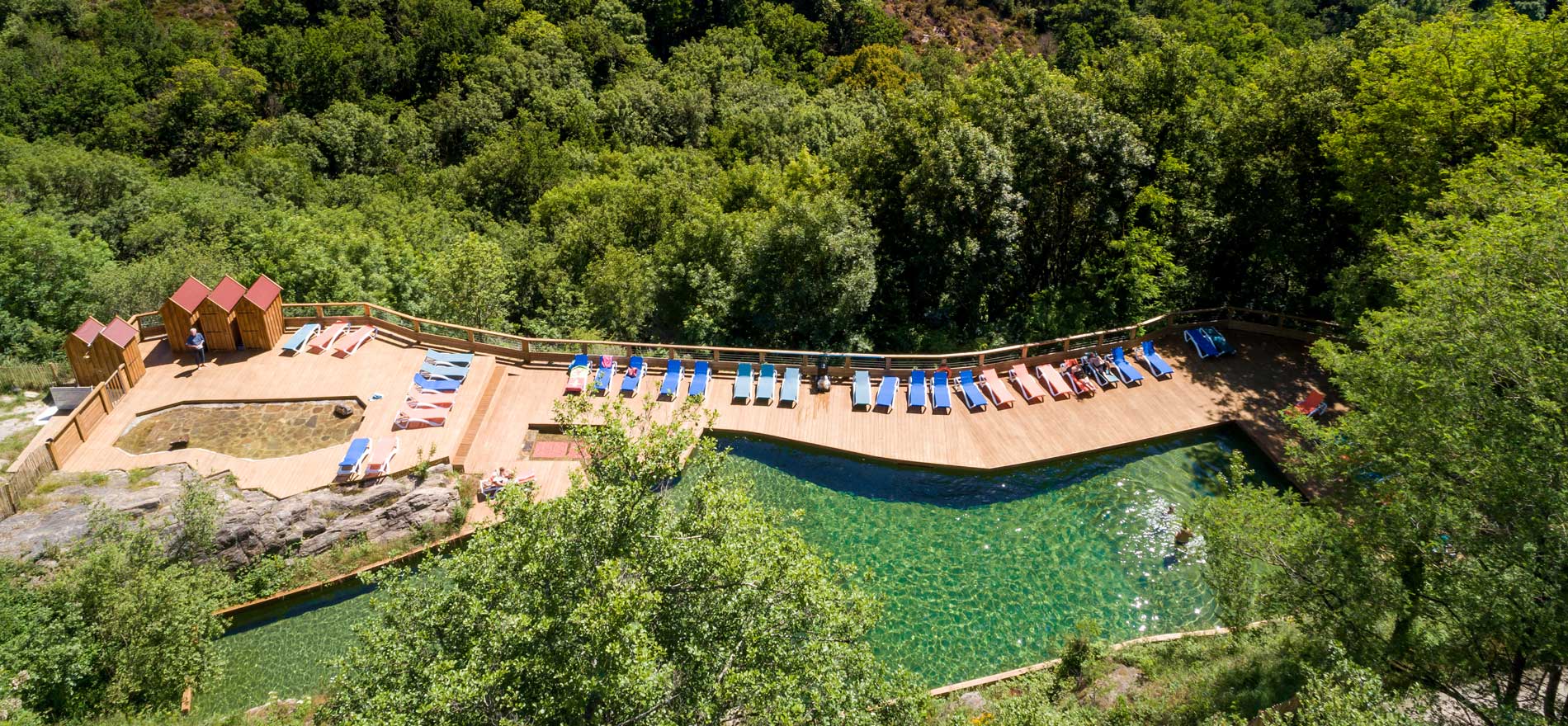
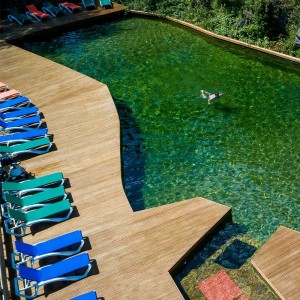
Swimming pool Swimming pool
Facilities Facilities
Activities Activities

Entertainment
Leisurely
 
Energetic
  Virtual tour  
  Book online  

From 05 to 11 June 2010 From €39.00 

Per night in Cottage 4/6p 3 fleur(s)

From 30 April to 11 June 2010 From €15.00 

Per night in pitch 3 fleur(s)

Le Bout Du Monde camping: nearby

7 good reasons to visit our region

1. Visits to artisans’ workshops

Numerous artisans live and practise their art in our little region. They are coppersmiths, bronze-smiths, stone-cutters, monumental masons, marquetry-makers, cabinet makers, sculptors, engravers, gilders, lacquer artists, potters, ceramists, jewellery makers, producers of horn objects, wrought-iron artists, leather-clothing makers, feather workers, basket makers... Durfort, the village of copper, and Revel, the village of furniture, will provide a good opportunity for family outings.

2. A market for gastronomes

On Saturday mornings, in Revel's covered market, considered one of the finest in the south of France, you can stock up on local cheeses, pork delicacies, honey, game....
3. Revel, medieval bastide, unique in France

In Revel, the town of fine furniture, you will also be able to visit a medieval "bastide" - or walled village - founded in 1342 by Philippe VI de Valois, at the foot of the Montagne Noire. Its octagonal shape and geometric construction make Revel, the archetypal bastide, an almost unique example of its type in France.

4. The Canal du Midi

Built between 1666 and 1681, the Canal du Midi was originally intended for transporting merchandise between Toulouse and Sète. Now exclusively used for tourism, the site has been a designated a UNESCO World Heritage site since 1996, and abounds with outstanding attractions, among which are the numerous locks dotted all along its course between the Mediterranean and the Garonne river.

5. The Montagne Noire, a historic Cathar Mecca

The Aude and the "black mountain" are the perfect place for lovers of art and history.
Our region is teeming with little medieval villages, and traces and remains of the Cathar period. The Pic de Nore is the highest point of the Montagne Noir (1210 m), the southern balcony of the Cévennes. The rounded shape of the Pic provides a very wide panorama over the Montagne Noire, the Monts de Lacaune, the Corbières, the Minervois plain, and the Canigou.
Nearby, where the Rieutort drops 90 meters from the top of the Sambrès plateau, which is made up of a mixture of schiste and gneiss, the Cubserviès waterfall is considered to be one of the highest in Europe.

6. The city of Carcassonne

Saved from destruction and then restored in a manner that was at times controversial, under the direction of Viollet-le-Duc in the 19th Century, the walled city of Carcassonne has been designated a UNESCO World Heritage site since 1997. Its 2,500 years of history make it the most popular sightseeing spot in the region.

7. Toulouse, the pink city

A southern city with Spanish accents and Italian façades, Toulouse is dubbed the "pink city" due to the colour of the traditional local construction material: red bricks. Take a detour via Space City and you'll see that your marvelling children will be star-struck. Half Atlantic, half Mediterranean, the local gastronomy in Toulouse is a mixture of influences from Gascony and the Midi. Toulouse restaurants therefore serve the hearty, no-nonsense cuisine of the whole region in all its forms: foie gras, confit, duck breast, cheese-and-potato dishes such as truffade and aligot, gâteau à la broche (cone-shaped cakes cooked on a spit), croustade, and of course the famous cassoulet.